Walking Pad vs Treadmill: Which Is Better for Home Walking?
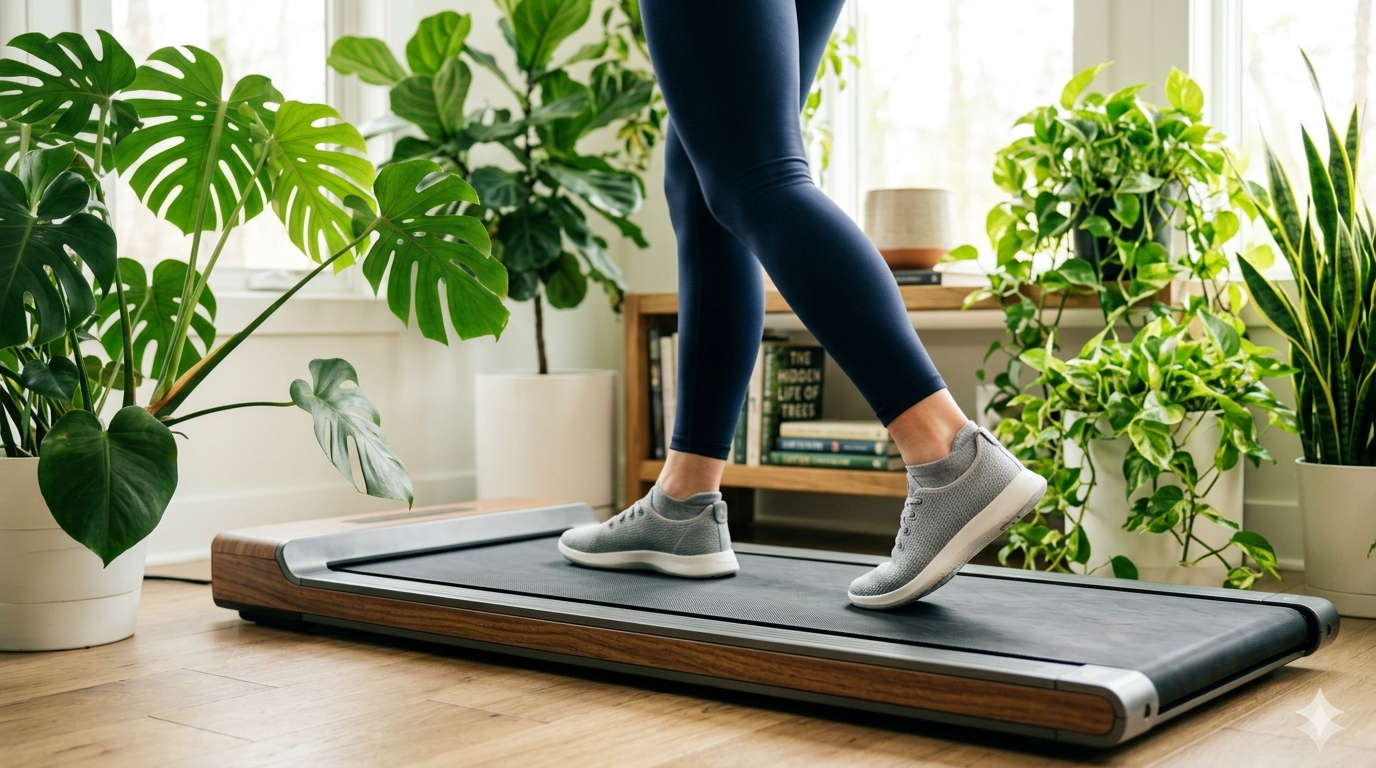
Walking pads and treadmills are often compared as if they serve the same purpose, but they are designed for very different types of movement.
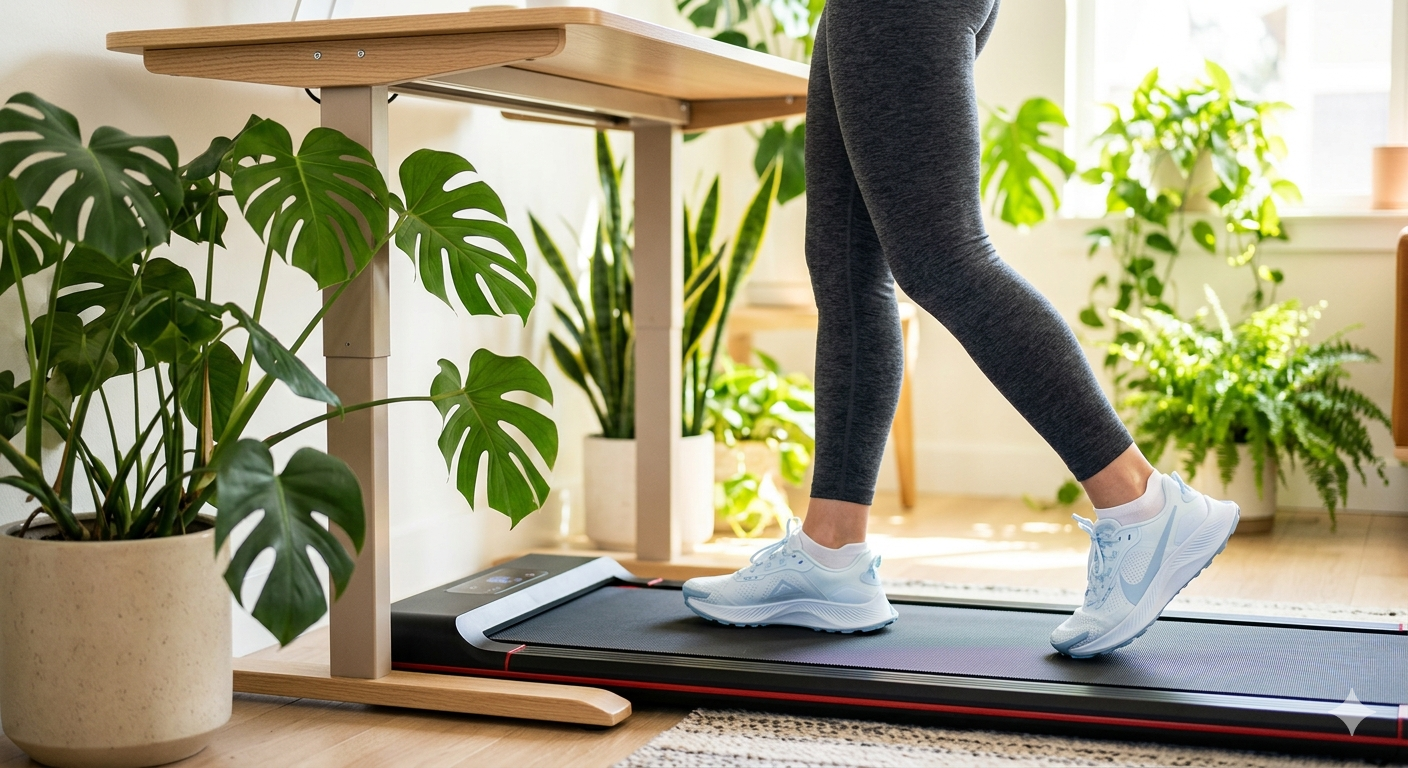
Walking pads focus on low-intensity, space-saving daily movement, often used while working or multitasking. Traditional treadmills are built for structured exercise, including higher speeds, incline training, and progressive fitness improvement.
Choosing between them depends on your goals. If the priority is simple daily movement and convenience, a walking pad may be suitable. If the goal is improved fitness, higher calorie burn, or time-efficient workouts, a treadmill is generally more effective.
This guide breaks down the key differences so you can choose the right option for your home walking setup.
What Is the Difference Between a Walking Pad and a Treadmill?
Although both devices support walking, they are designed with different use cases in mind.
Walking pads:
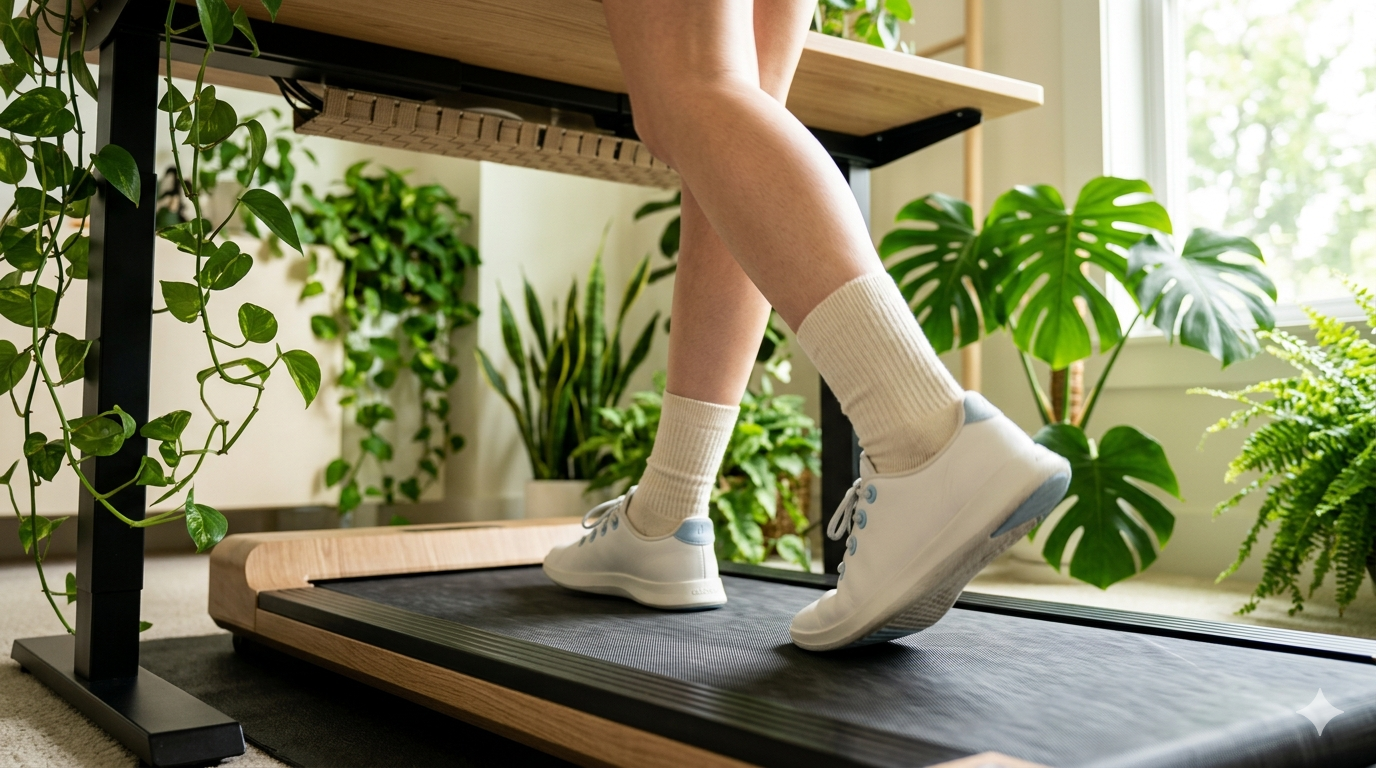
Slim, compact, and often foldable
Designed primarily for walking only
Usually flat (minimal or no incline)
Built for multitasking (work, TV, light movement)
Lower maximum speeds
Traditional treadmills:
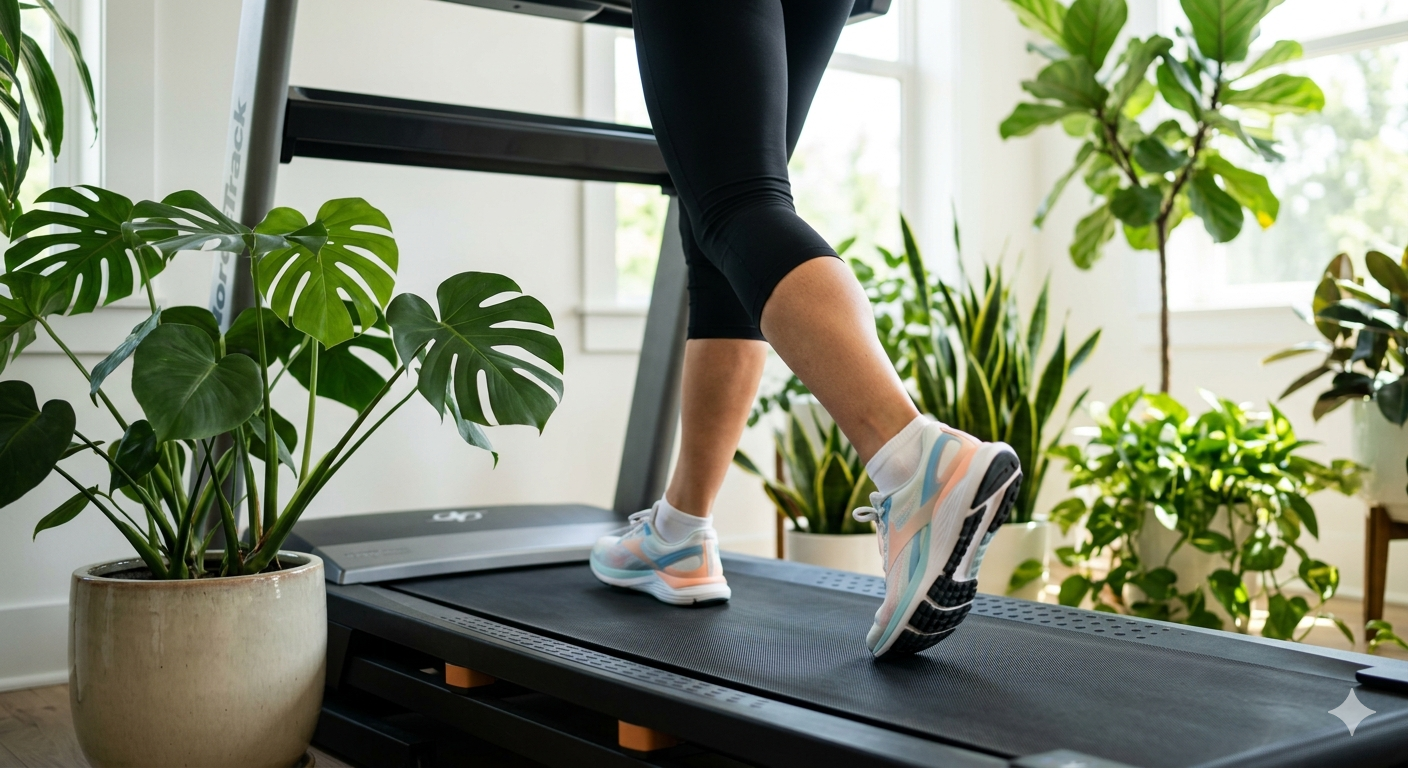
Larger and more stable machines
Designed for walking, jogging, and running
Include speed and incline controls
Built for structured workout sessions
Support progressive training over time
The key difference is not appearance—it is training capability versus convenience.
Walking Pad vs Treadmill: Calorie Burn Comparison
One of the biggest differences between the two comes down to workout intensity and calorie expenditure.
| Device Type | Speed/Intensity | Calories Burned (30 min approx.) | Key Limitation |
|---|---|---|---|
| Walking pad | Low (2–5 km/h) | 80–130 kcal | No incline, limited intensity |
| Flat treadmill walk | Moderate (5 km/h) | 120–150 kcal | Still no elevation change |
| Incline treadmill walk (5–10%) | Moderate–high | 180–250 kcal | Requires larger machine |
| Running treadmill session | High | 250–400+ kcal | Higher impact, more fatigue |
Calorie estimates vary based on body weight, speed, and fitness level.
Research from exercise physiology guidelines, including the American College of Sports Medicine (ACSM), shows that incline and intensity are key drivers of energy expenditure, not just step count.
Why Walking Pads Feel Easier (and What That Means)
Walking pads are not designed to compete with treadmills. They are designed to remove barriers to movement.
1. Reduced friction for daily movement
Walking pads allow movement during:
Work tasks
Phone calls
TV watching
Light daily routines
2. Minimal setup required
There is no structured workout requirement. Movement becomes automatic rather than scheduled.
3. Focus on frequency over intensity
Walking pads encourage more frequent, low-effort movement throughout the day.
However, research in movement behaviour, including findings published in the British Journal of Sports Medicine, suggests that while frequent low-intensity movement supports general health, structured moderate-intensity exercise is more effective for improving cardiovascular fitness and fat loss outcomes.
Walking Pad vs Treadmill for Fitness Results
The difference becomes clearer when comparing outcomes rather than convenience.
Walking pads are better suited to:
Increasing daily step count
Reducing sedentary time
Light, continuous movement
Traditional treadmills are better suited to:
Improving cardiovascular fitness
Increasing calorie burn efficiency
Structured training sessions
Progressive overload through speed and incline
Incline capability is one of the most important differentiators, as it significantly increases training intensity without requiring running.
Common Misconceptions
“Walking pads and treadmills provide the same results”
This is only true if intensity is matched, which is limited on walking pads due to lack of incline and speed range.
“Walking pads are just cheaper treadmills”
They are a separate category designed for low-intensity movement, not structured exercise training.
“Treadmills are unnecessary for walking”
For casual movement, this may be true. However, for time-efficient fitness improvements, treadmills—especially incline models—are significantly more effective.
When to Choose a Walking Pad
A walking pad is best suited for users who want:
Light movement throughout the day
A compact solution for small spaces
A way to reduce sitting time
Step consistency without structured workouts
Walking pads are less suitable for users focused on:
Fat loss efficiency
Cardiovascular training
Progressive fitness improvement
When a Treadmill Is the Better Option
A traditional treadmill is more suitable when:
Workout time is limited (20–40 minutes)
Measurable fitness progress is a goal
Higher calorie burn is desired
Incline or “hiking-style” walking is important
Incline functionality is often the most important factor for users aiming to improve fitness efficiently.
Related reading: Best treadmills for walking and incline treadmills for virtual hiking
Decision Guide: Walking Pad or Treadmill?
Choose a walking pad if the goal is:
Easy daily movement
Working while walking
Low-intensity activity
Space-saving equipment
Choose a treadmill if the goal is:
Faster fitness improvements
Structured exercise sessions
Higher calorie burn in less time
Incline-based walking or hiking simulation
Final Takeaway
The difference between walking pads and treadmills is not just about size or price—it is about purpose.
Walking pads are designed to increase daily movement with minimal effort.
Treadmills are designed to turn walking into structured fitness training.
For many home users, the best approach is not choosing one over the other, but understanding how each fits into different parts of a weekly routine.
Walking pads support consistency. Treadmills support progression.
This post may contain affiliate links. As an Amazon Associate, we may earn from qualifying purchases.
Related Guides
To build a more effective home walking setup, see: