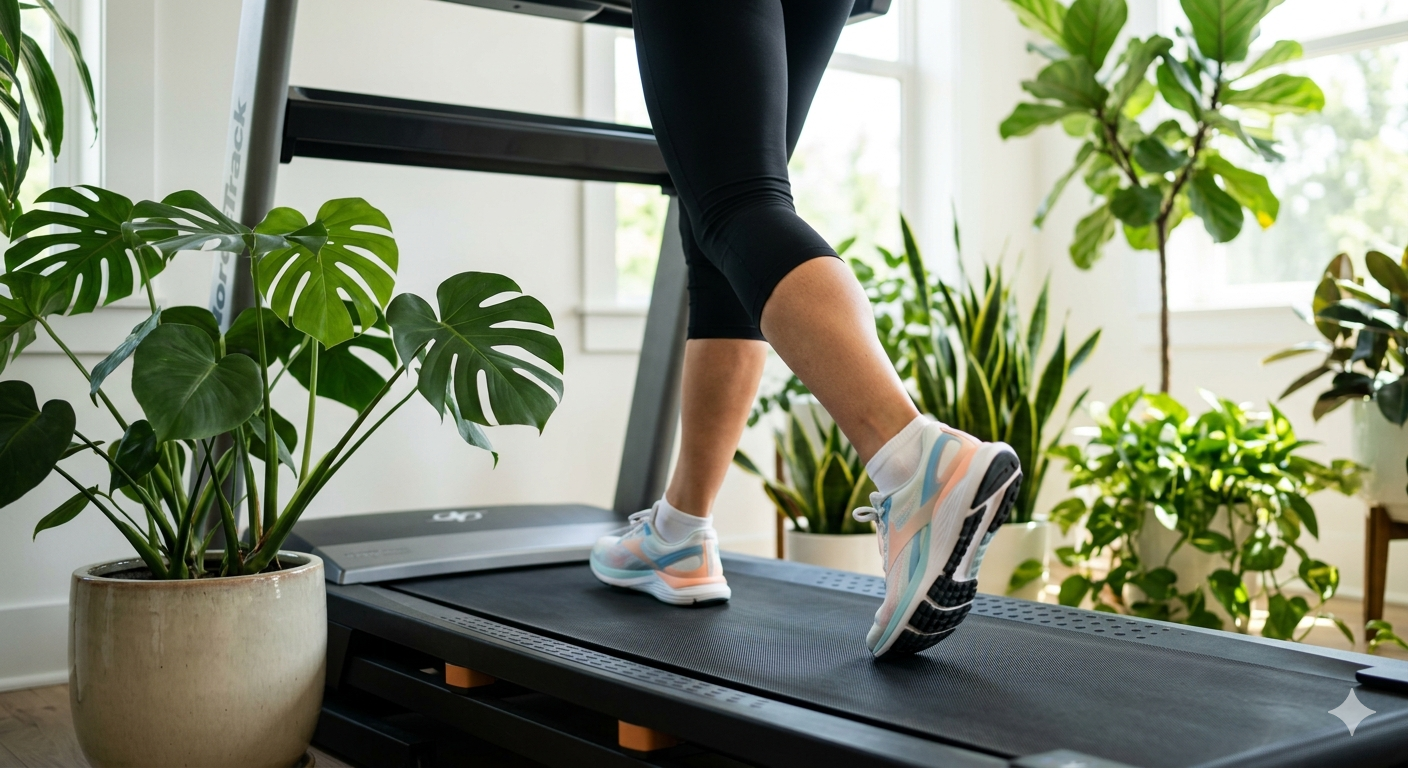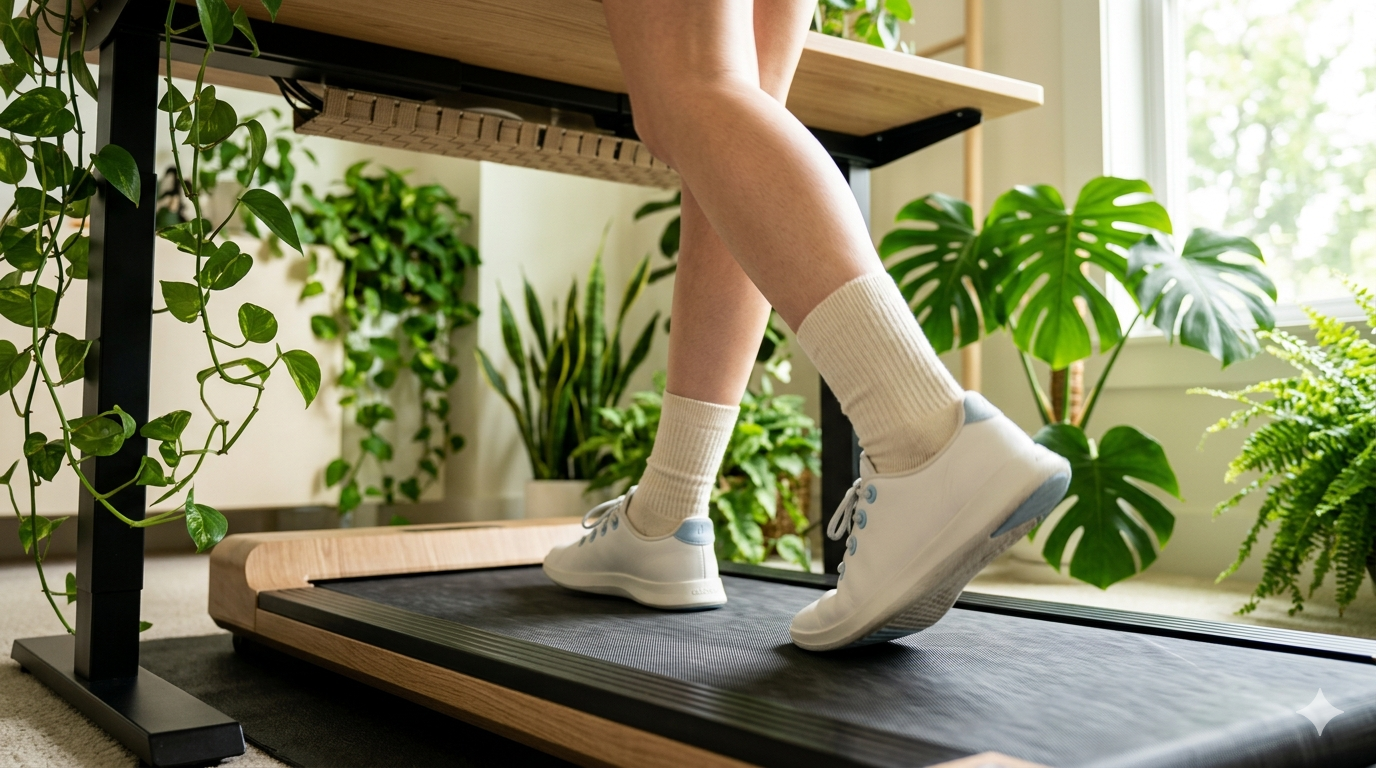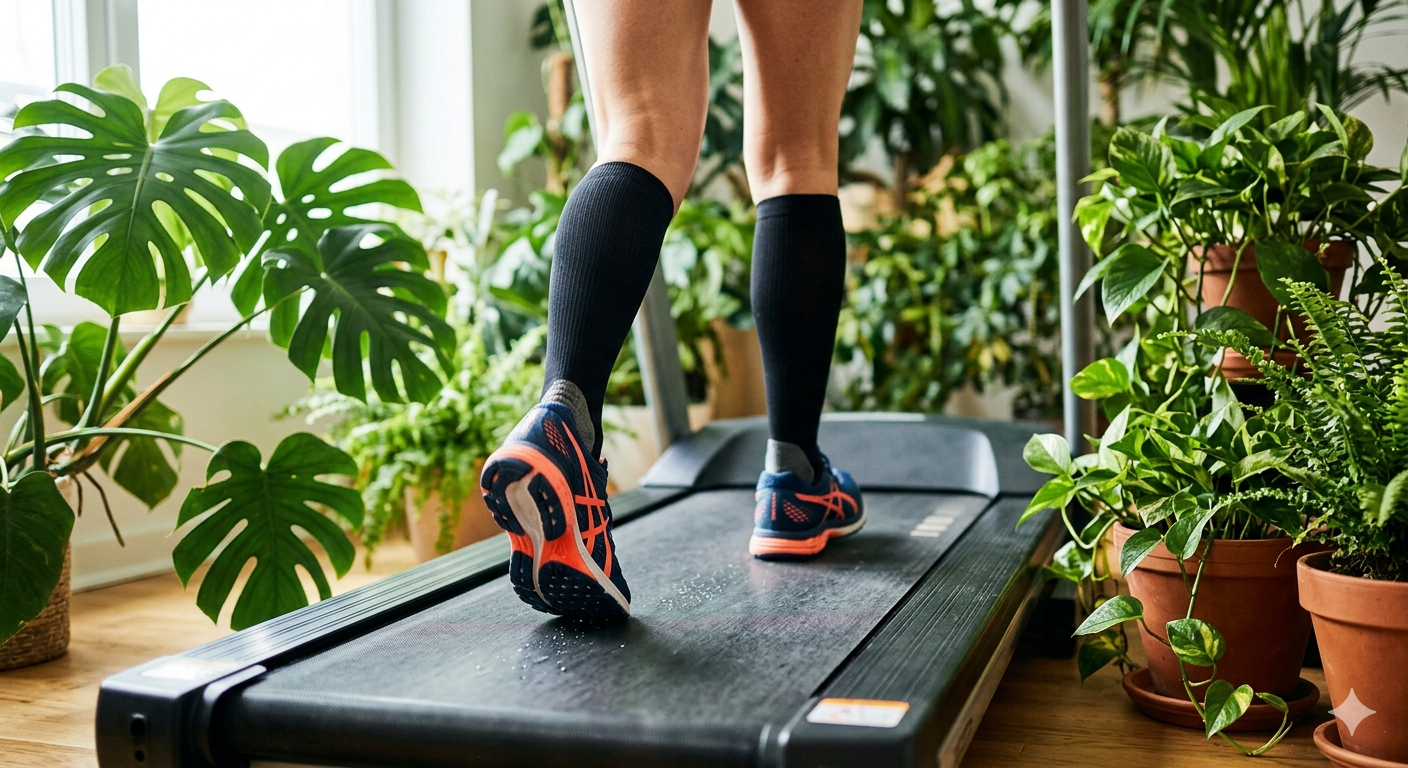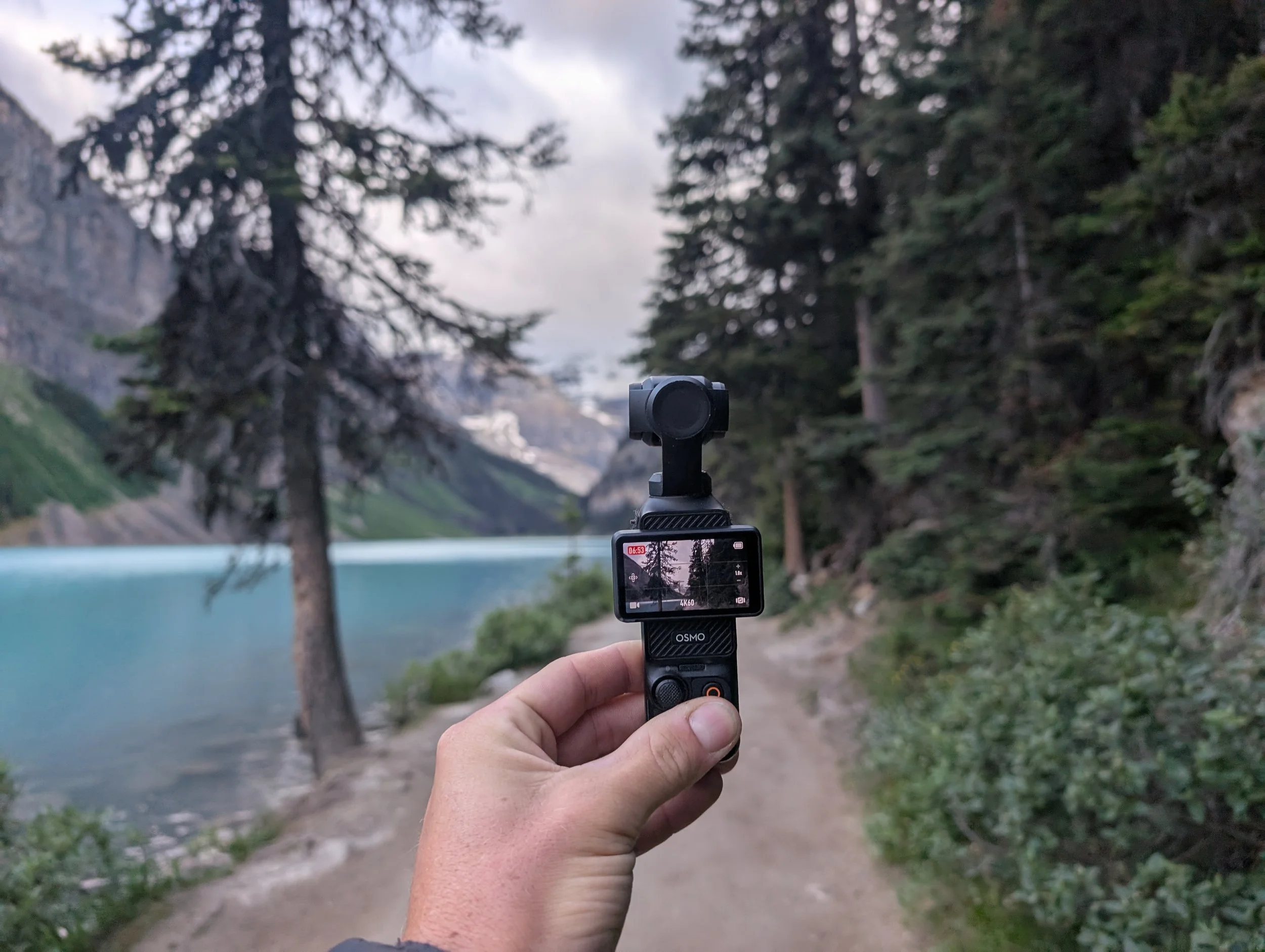
Treadmill vs Outdoor Walking: Which Burns More Calories?
Treadmill walking and outdoor walking are often compared when it comes to calorie burn, but the difference is less about location and more about intensity.
Calories burned during walking depend primarily on speed, incline or terrain, and overall effort level. This means a brisk treadmill walk can sometimes match or even exceed outdoor walking, depending on how it is structured.
Outdoor walking and hiking often involve natural variation such as hills, wind resistance, and uneven terrain, which can increase energy expenditure. However, treadmill walking—especially when incline is used—allows for more controlled and consistent intensity over shorter sessions.
This guide breaks down the real differences in calorie burn and what actually matters for fat loss and fitness.
What Determines Calories Burned During Walking?
Calories burned during walking are influenced by several key factors rather than location alone.
According to exercise physiology guidelines from the American College of Sports Medicine (ACSM), the main drivers of energy expenditure include:
Walking speed
Body weight
Incline or elevation gain
Ground resistance and terrain variability
This means the key comparison is not treadmill vs outdoor walking, but flat walking vs inclined or varied walking.
| Activity Type | Intensity | Calories Burned (30 min approx.) | Why It Differs |
|---|---|---|---|
| Flat treadmill walk (5 km/h) | Low–moderate | 120–140 kcal | No terrain variation or resistance changes |
| Brisk outdoor walk (flat terrain) | Moderate | 140–170 kcal | Wind resistance + small natural variations |
| Incline treadmill walk (5–10%) | Moderate–high | 180–250 kcal | Simulates uphill climbing and increases muscle activation |
| Outdoor hiking (uneven terrain) | High | 200–300 kcal | Elevation changes + stabiliser muscle engagement |
Research from Harvard Medical School activity data also shows that incline walking significantly increases calorie burn compared to flat walking due to greater engagement of the glutes, calves, and hamstrings.
Why Outdoor Walking Sometimes Feels Harder
Outdoor walking can feel more demanding, but that does not always translate to higher or more consistent calorie burn.
1. Terrain variation
Outdoor environments constantly change, requiring small stabilising adjustments from the body. This increases effort but varies widely from session to session.
2. Wind resistance
Even light wind increases energy expenditure outdoors, something that does not exist on a treadmill.
3. Inconsistent pace
Outdoor walking pace naturally fluctuates, which can reduce overall intensity compared to structured treadmill sessions.
Research published in the Journal of Sports Sciences suggests that self-paced outdoor walking often results in lower average intensity compared to controlled treadmill walking sessions.
Treadmill Walking vs Outdoor Walking: Key Differences
Both forms of walking are effective, but they differ in how effort is applied.
Treadmill walking:
Controlled speed and incline
Consistent intensity
Predictable calorie burn
Easier to structure short sessions
Outdoor walking:
Natural terrain variation
Environmental resistance (wind, hills)
Greater variability in effort
Often more engaging and mentally restorative
The key difference is consistency versus variability.
Can Incline Treadmills Match Hiking Calorie Burn?
Incline treadmill walking is one of the closest indoor equivalents to hiking.
When incline is increased, treadmill walking can replicate:
Hill climbing
Sustained elevation gain
Higher cardiovascular demand
This significantly increases calorie burn compared to flat walking and can match or exceed many outdoor walking sessions, particularly in shorter, structured workouts.
Common Misconceptions
“Outdoor walking always burns more calories”
Not necessarily. Calorie burn depends on intensity, which varies significantly outdoors and is not always higher.
“Treadmills are easier so they are less effective”
Flat treadmill walking can be easier, but incline walking changes intensity substantially and increases energy expenditure.
“Long walks are required for meaningful calorie burn”
Shorter, higher-intensity incline walking sessions can match or exceed longer low-intensity outdoor walks.
What Actually Matters for Fat Loss and Fitness
When comparing walking methods, three factors matter more than location:
Incline or terrain resistance
Consistency of pace
Heart rate elevation
Once these are controlled, the difference between treadmill and outdoor walking becomes much smaller than most people expect.
Which Is Better: Treadmill Walking or Outdoor Walking?
Neither method is universally better. Each has different strengths depending on the goal.
Outdoor walking is better for mental reset, enjoyment, and variety
Incline treadmill walking is better for time-efficient fitness and structured calorie burn
Flat treadmill walking is best for low-intensity movement and consistency
The most effective approach is often combining both depending on schedule and goals.
Final Takeaway
Treadmill and outdoor walking both support fitness and health, but they achieve results differently.
Outdoor walking provides natural variation and mental benefits, while treadmill walking offers control, consistency, and time efficiency—especially when incline is used.
For users with limited time, the most effective walking sessions are those that maintain consistent intensity, regardless of environment.
This post may contain affiliate links. As an Amazon Associate, we may earn from qualifying purchases.
Related Guides
To build a more effective home walking setup, see: